The New Year is almost here, but not the one after Christmas.
It’s been more than 30 years since I left my university campus in Philadelphia to study for year in Jerusalem. I would finish my homework quickly and spent the afternoons wandering the alleys and avenues of Jerusalem. I lived on the edge of the Old City, just a five-minute walk to Zion and Jaffa Gates. An influential Arab shopkeeper took me under his wing, providing snacks, protection, and an endless supply of “nana” mint tea on my afternoon jaunts. I would wear long skirts and cover my hair like the young Jewish wives to melt into life in the Jewish Quarter. I would grab fresh pita from the bakery near the Cardo to eat breakfast perched on the Crusader tower butting from the southwest corner of the Old City wall.
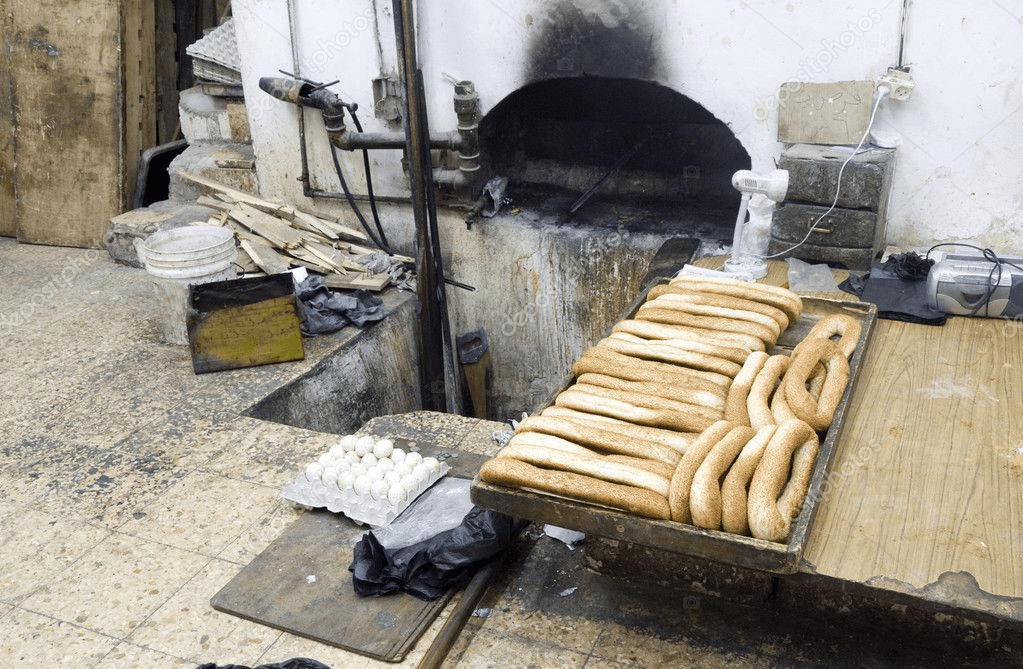
As much as I enjoyed the field trips, the archeology, and the friends, nothing was more significant to my understanding of the Scriptures than experiencing the Jewish calendar throughout the year. There was drama in it: story-telling, music, costumes, scripts, community, and food, all played out on the “set” of Jerusalem. These holidays are a holistic experience: all of the senses are engaged, the mundane is thwarted, and life’s priorities focus sharply.

So, the Jewish New Year is coming. As I have considered the upcoming renewal of the holy-day cycle, I have decided to rehearse here some of the Jewish holidays as they occur over the year.
“Why?” you might ask. “You aren’t even Jewish. Isn’t that just Old Testament stuff?” True. I am not Jewish, but I am a believer in Jesus, who was Jewish, and His life compels me to pay attention.
- I want to know as much about Him as possible. I want to read the Scriptures He read. I want to understand the rhythm of the life that He both instituted for His people and undertook to live when He was here on earth. Such a study brings a greater understanding of Bible backgrounds and prophecies and the character of God.
- I want to be able to demonstrate greater care for my Jewish friends. In the current political and cultural environment, such knowledge and curiosity can extend compassion and kindness to people who are much beleaguered.
- I want to listen to what God taught the people of Israel millenia ago: “Remember. Remember who I Am. Remember what I have done, and teach it to your children.”
The Jewish calendar was a part of God’s experiential education of His people. He summed up His curriculum in Deuteronomy 6:1-8: The primary content is here, the role of the parent-teacher, the child-student’s need for activity and repetition, the methodology of stories and symbols. And as you read on through Deuteronomy, the intended outcome is expressed: “Follow this way and you will remember and follow your God and be blessed.”
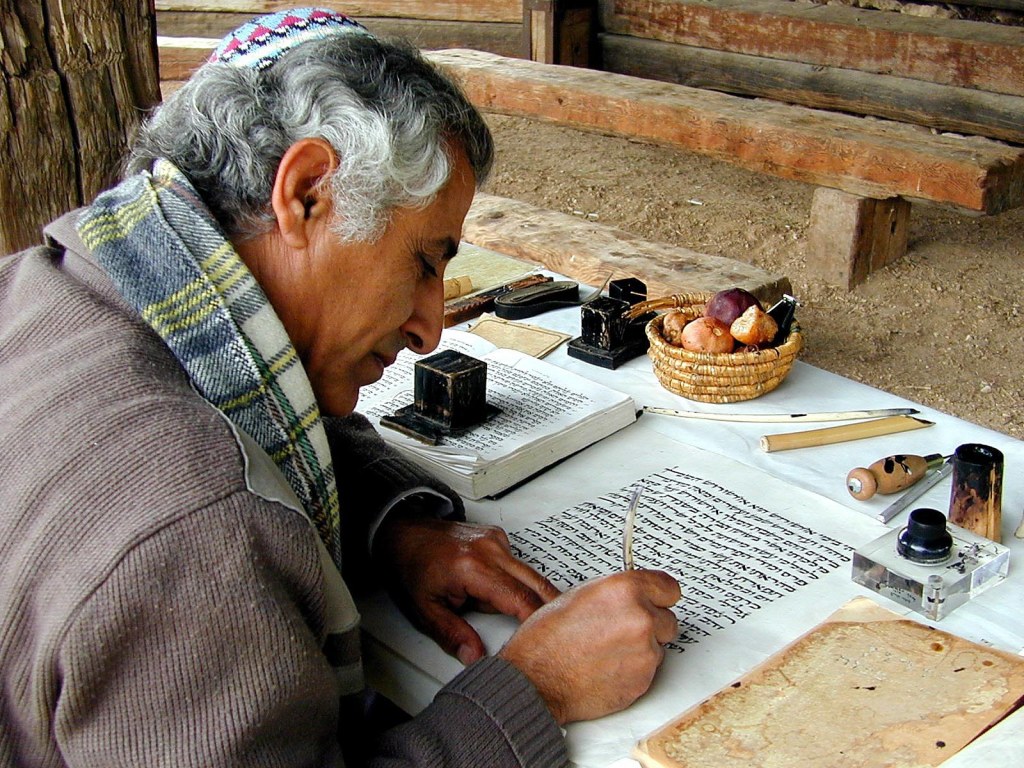
“Now this is the commandment—the statutes and the rules that the Lord your God commanded me to teach you, that you may do them in the land to which you are going over, to possess it, 2 that you may fear the Lord your God, you and your son and your son’s son, by keeping all his statutes and his commandments, which I command you, all the days of your life, and that your days may be long. 3 Hear therefore, O Israel, and be careful to do them, that it may go well with you, and that you may multiply greatly, as the Lord, the God of your fathers, has promised you, in a land flowing with milk and honey.
4 “Hear, O Israel: The Lord our God, the Lord is one. 5 You shall love the Lord your God with all your heart and with all your soul and with all your might. 6 And these words that I command you today shall be on your heart. 7 You shall teach them diligently to your children, and shall talk of them when you sit in your house, and when you walk by the way, and when you lie down, and when you rise. 8 You shall bind them as a sign on your hand, and they shall be as frontlets between your eyes. 9 You shall write them on the doorposts of your house and on your gates.
The Hebrew verb לָמַד used for the word “teach” means “to repeat.” The Israelites were instructed to repeat their love of the Lord and His Law day by day to their children. They were to dialogue about the ordinances daily while sitting in the house, walking along the road, and presumably throughout the day. They were to wear symbols to provoke meditation, and they were to display the words of the Lord at the gates and doors of the house.

And part of that instruction was the repetition of God’s work through the celebration of holidays. Of course, we could also talk about Jewish practices through a day, a week, and various months, but the “curriculum” was intended to bring the same message: “This is your God.” When Moses asked God to reveal Himself, this is how God described Himself:
6 The Lord passed before him and proclaimed, “The Lord, the Lord, a God merciful and gracious, slow to anger, and abounding in steadfast love and faithfulness, 7 keeping steadfast love for thousands,[a] forgiving iniquity and transgression and sin, but who will by no means clear the guilty, visiting the iniquity of the fathers on the children and the children’s children, to the third and the fourth generation.” Exodus 34: 6-7
This gracious God has not ceased to call His people to remember Him, and His patience will be evidenced as we see the Scriptural content and the practices of the holidays stretching out before us. It is true, I am not Jewish, but I too hear the call to remember the character and work of this God, and to worship.
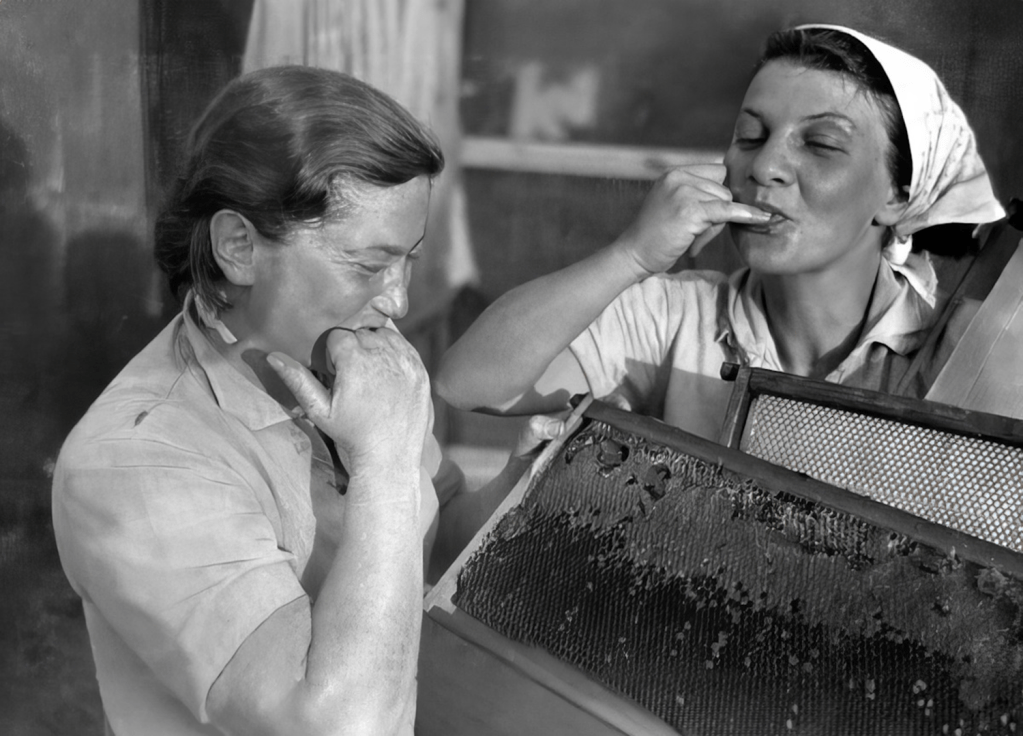
The first holiday we will look at is Rosh Hashanah, the Head of the Year, which begins at sundown on September 22nd. Stay tuned for more in the next few days. And in the meantime, you might want to find some apples and honey. . .
 Lisa LaGeorge
[…] Remember to remember. This is God’s instruction to His people. Whether Yom Kippur or Rosh Hashanah or even Hanukkah, each of these holidays reminds the people what He has done. While those holidays may be familiar to you, let’s take a look at a holiday that is not quite as familiar: Purim or the Feast of Lots. In 2026, this feast begins on March 3. […]
LikeLike
[…] can find more on Jewish holidays here and Rosh Hashanah here. Next up: […]
LikeLike
[…] Understanding Jewish Holidays: Remember to Remember […]
LikeLike