“My teachers told me this didn’t happen.” I was 18 years old, sitting on a bench in Oswiecim, Poland, and an American teen with tears on his face sat down next to me. He had believed his teachers until he walked through the gates of Auschwitz, the Nazi death camp where more that 1.1 million people, mostly Jews, were murdered. Twisted rail tracks lead to barracks which now display piles of shoes and suitcases and hair and eye glasses. Ash remains in the corners of the crematorium and thousands of origami swans hang from the oven doors.
Eighty years ago today, 7,000 people were freed from Auschwitz by US and Allied troops. This morning, a few dozen survivors, mostly in their 80’s and 90’s shuffle under the ironic motto, “Arbeit Macht Frei.” They expressed concern about how many will still be standing next year to remember. You can watch a report of the service at the camp here and see more photos of the Memorial Day observances here.
That task of remembering must fall to us who know the truth: The Holocaust really happened, and it must never happen again. “Those who cannot remember the past are condemned to repeat it.”
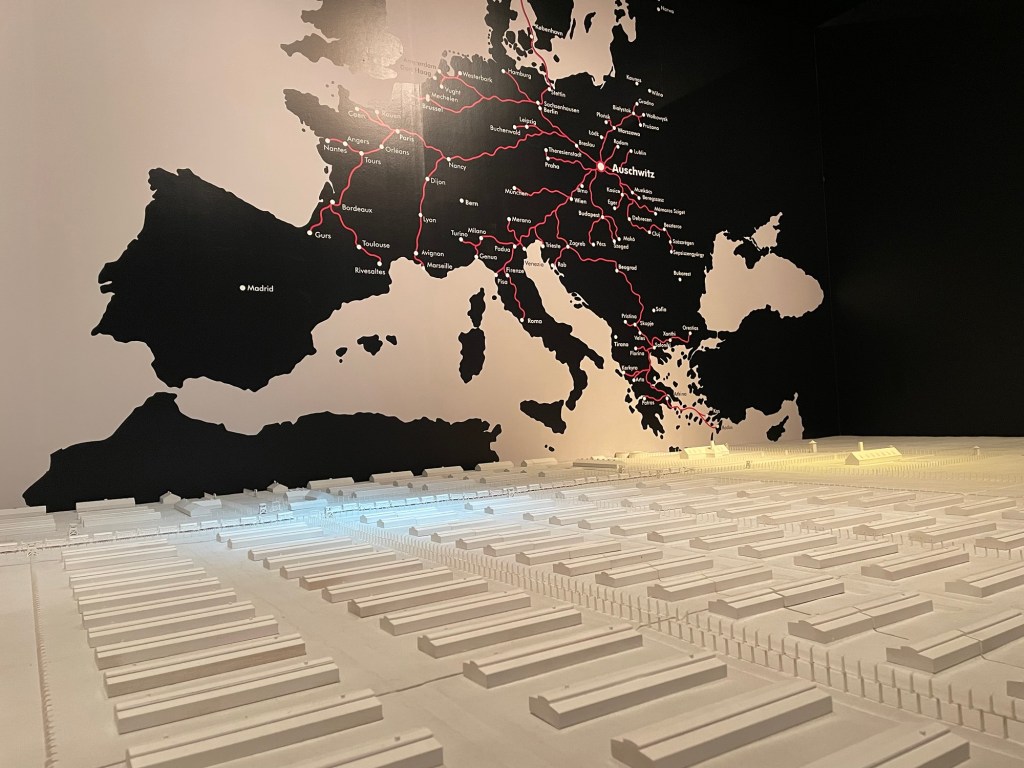
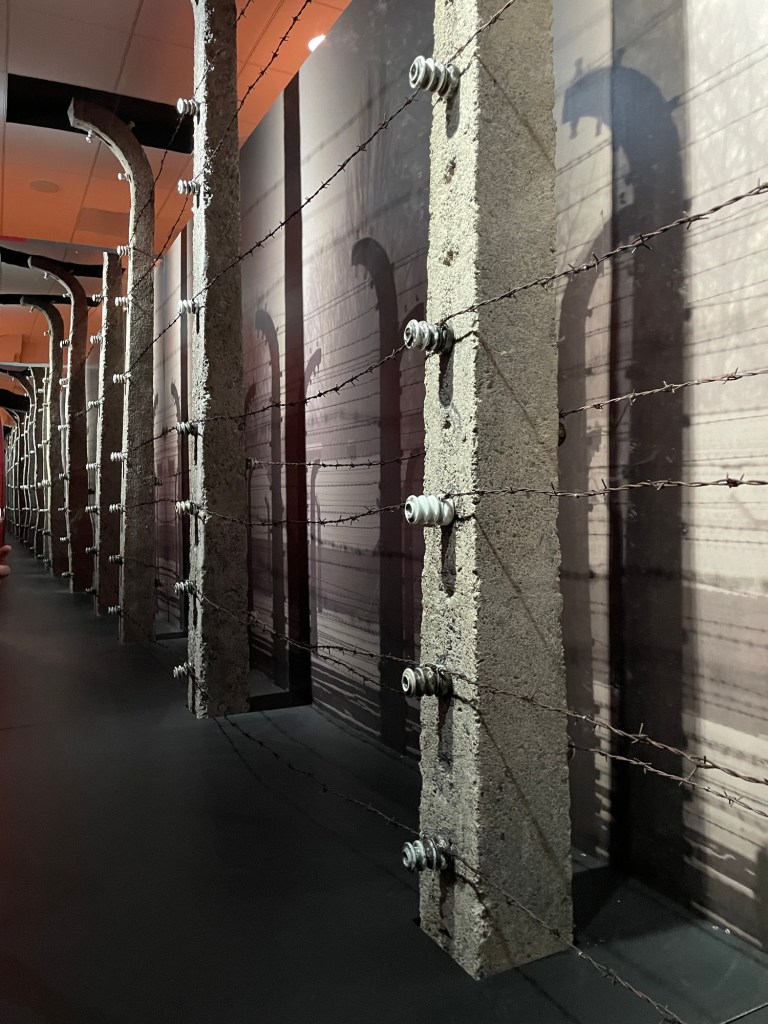
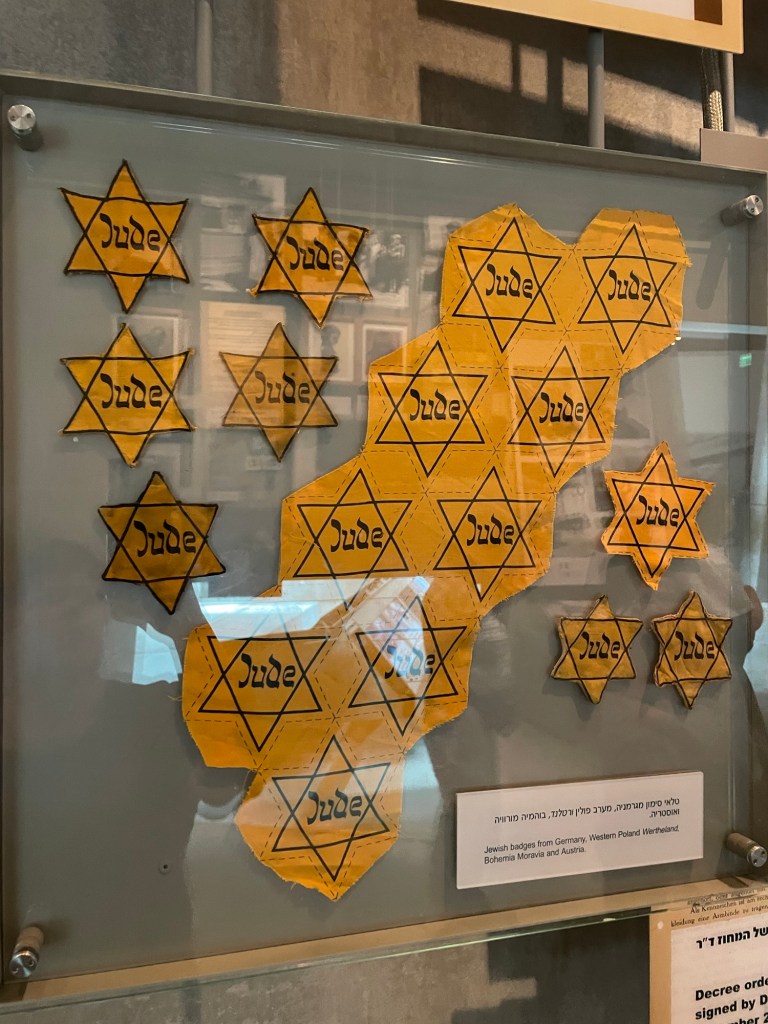
Humans are prone to forget what has happened before, even the best of things. In Deuteronomy 6-8, the Lord forecasts the forgetfulness of His people to come:
And when the Lord your God brings you into the land that he swore to your fathers, to Abraham, to Isaac, and to Jacob, to give you—with great and good cities that you did not build, and houses full of all good things that you did not fill, and cisterns that you did not dig, and vineyards and olive trees that you did not plant—and when you eat and are full, then take care lest you forget the Lord, who brought you out of the land of Egypt, out of the house of slavery. Deut. 6:10-12
It is critical to remember. In fact, our very lives depend on it. Philosopher George Santayana wrote in 1905: “Those who cannot remember history are condemned to repeat it” (The Life of Reason).
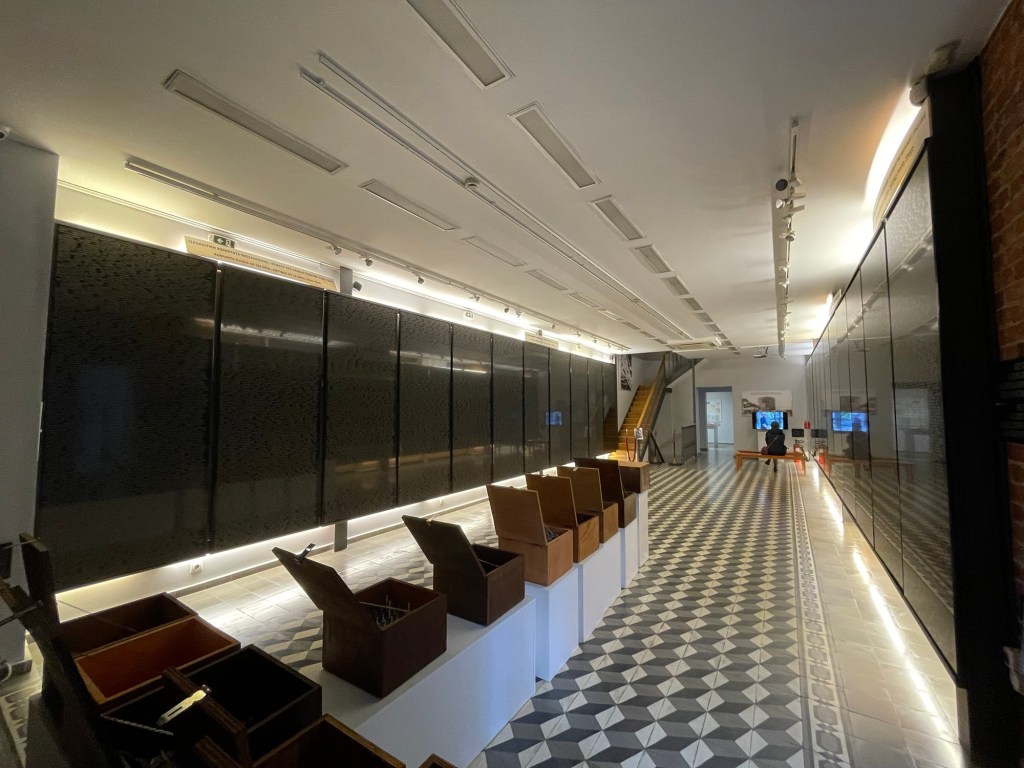

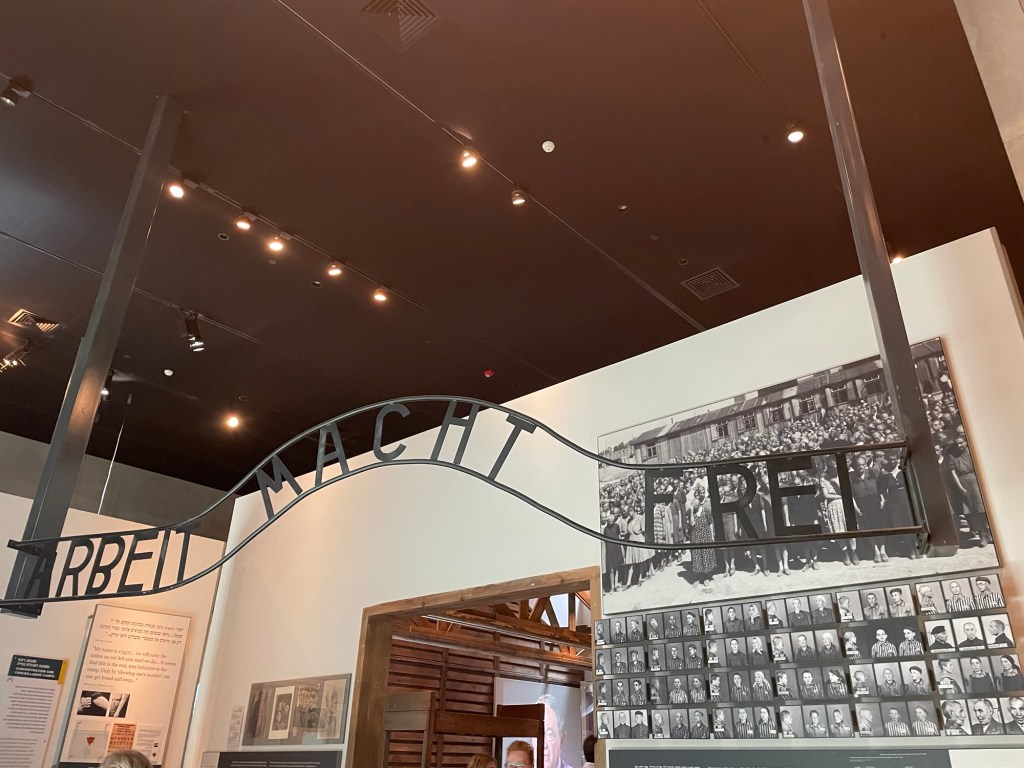
And still, the world is beginning to forget. Teachers deny the disappearance of 6 million Jews; they ignore the 220,000 testimonies who still walk the streets of Jerusalem, New York, Poland, and Argentina. And in the forgetting, in the denying, we are seeing shadows of the Holocaust return–in the media, within universities, and even in the streets that once cowered from Nazi occupation.
So, how can we remember? How can we push back against man’s inhumanity to man? Here are a few options to explore this important history and remember so as not to forget:
- Remember with your family. Is the information difficult for children? Yes, but they desperately need to know, to identify the horror that happened to children just like them, to grow in compassion for those who have suffered, and to say “Never again!”
- Watch the survivors’ stories.
- Visit museums to interact with the photos, videos, and stories. Even if you are not able to visit in person, most will have on-line interactive materials. Here are three of the best: Auschwitz-Birkenau, Yad Vashem, and the American Holocaust Museum.
- Read the biography Zvi, the story of an Israeli friend of mine, a survivor from Poland. You can also watch this interview with Meno, Zvi’s son and my pastor when I lived in Israel.
- Read, watch, and visit The Hiding Place. This story about Corrie Ten Boom, a Christian Dutch woman who worked to oppose the Nazi occupation and abuse of the Jews in the Netherlands is a triumph of hope and forgiveness. You can take an on-line tour of her home here. Also, a new graphic art edition of the Hiding Place is available. I also highly recommend The Watchmaker’s Daughter, a new biography of Corrie’s life before, during, and after the Holocaust.
- Finally, you can financially support organizations who love and care for the physical and spiritual needs of aging Holocaust survivors. I would recommend this ministry One for Israel and the Jerusalem Assembly.

 Lisa LaGeorge
Hi Lisa. Thank you for this wonderful and helpful reminder.
זָכוֹר
LikeLiked by 1 person